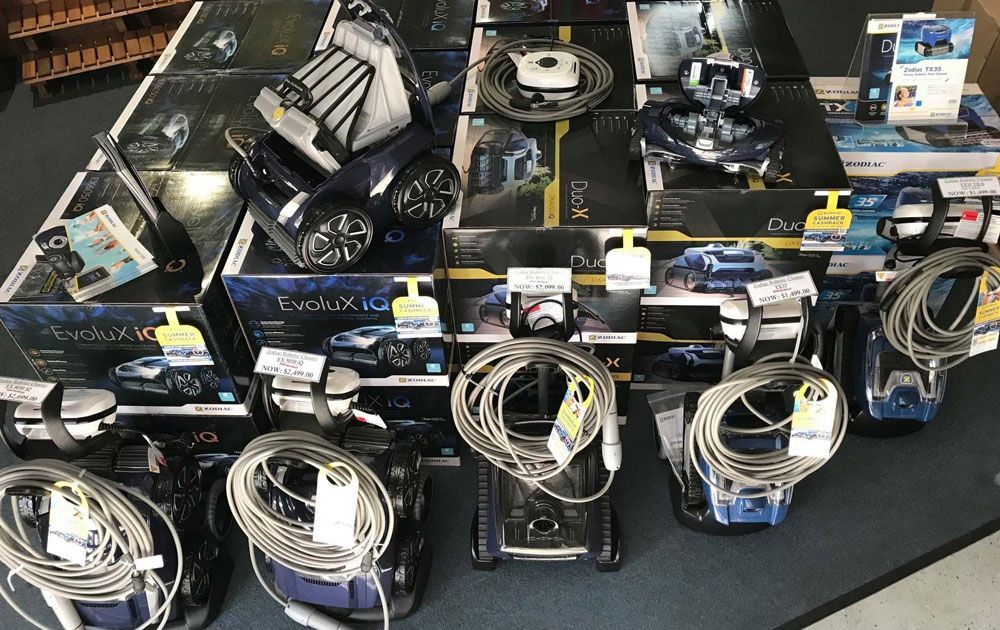
Saltwater Vs. Chlorine Pools: What’s Best For Port Macquarie Families?
For many households, a backyard pool is the centrepiece of family life, where weekends, holidays and hot afternoons are spent splashing, relaxing and cooling off. But when it comes to deciding between a saltwater pool and a traditional chlorine system, the differences can be confusing. Each option has strengths that suit different families, and the right choice depends on how you use your pool, how sensitive swimmers are to chemicals and how much time you're willing to dedicate to maintenance.
While both types of pools ultimately rely on chlorine to stay clean and healthy, the way each system produces and manages it creates different experiences for swimmers and different responsibilities for pool owners. Understanding these distinctions helps families choose a pool that fits their lifestyle, budget and long-term plans.
1. Saltwater Systems Explained: How They Actually Produce Chlorine Naturally
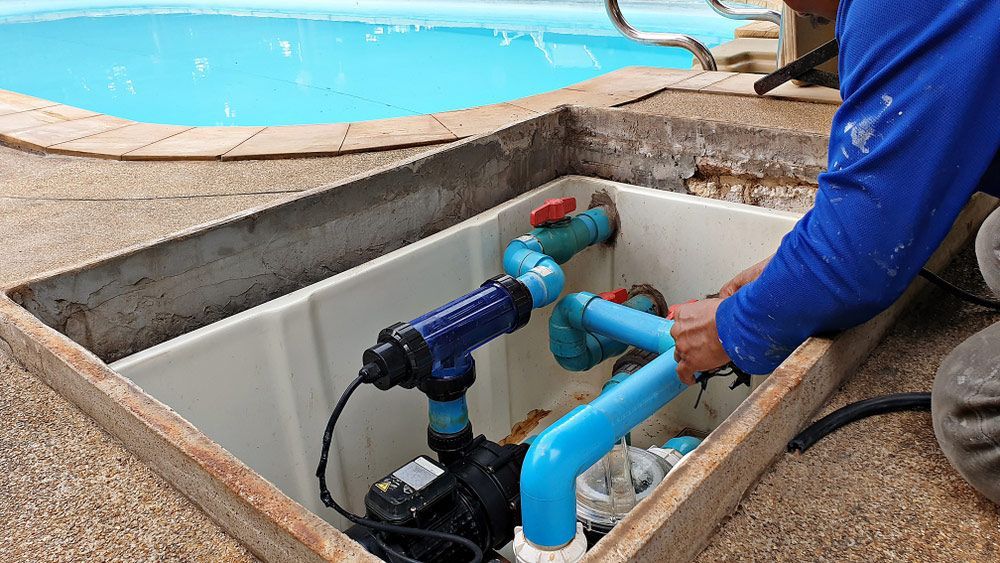
Saltwater pools aren’t chlorine-free, they simply generate chlorine in a gentler, more controlled way. A salt chlorinator converts salt into chlorine through electrolysis, creating a steady supply that keeps the water sanitised without the harsh chemical smell often associated with traditional chlorine pools. This method creates a softer, more comfortable swimming experience while reducing the need to manually add chlorine.
A pool shop provides essential support for maintaining saltwater systems, including:
- Water testing to ensure the right salt and stabiliser levels.
- Replacement parts for salt cells and chlorinator components.
- Advice on choosing the right chlorinator size for your pool.
This professional guidance helps families keep their system running smoothly all year round.
2. Classic Chlorine Pools: Why Some Families Still Prefer the Traditional Setup
Traditional chlorine pools remain a popular choice because they are often easier and cheaper to set up initially. Families who prefer a more hands-on maintenance approach appreciate the flexibility of choosing from liquid chlorine, tablets or granular products. Chlorine pools can also respond more quickly to changes in water quality, which can be helpful after storms, heavy use or hot weather.
A pool shop in Port Macquarie typically offers:
- Chlorine tablets, granules and liquid options.
- Balancing chemicals like stabiliser, pH adjusters and alkalinity increasers.
- Chlorine feeders and floating dispensers.
These supplies make it easier for families to handle day-to-day pool care with confidence.
3. Comfort and Skin Sensitivity: Which Pool Type Is Gentler for Kids and Frequent Swimmers?
One of the biggest reasons families consider saltwater pools is comfort. Saltwater systems produce lower, more consistent chlorine levels, resulting in softer-feeling water that’s less likely to cause skin dryness, eye irritation or strong odours. This is particularly appealing for young children or individuals with sensitive skin. Chlorine pools, while safe and widely used, may produce stronger chemical smells and occasional irritation when chlorine levels fluctuate.
Supporting services available at a local pool shop include:
- Water testing to diagnose irritation-causing imbalances.
- Recommendations for hypoallergenic treatments or mineral additives.
- Guidance on maintaining swimmer-friendly water conditions.
With the right advice, both pool types can be comfortable, but saltwater often has the edge for sensitive swimmers.
4. Day-to-Day Maintenance: What Caring for Each Type of Pool Actually Looks Like
Daily and weekly maintenance varies significantly between saltwater and chlorine pools. Saltwater systems tend to require fewer manual chemical additions, but the equipment, such as the chlorinator and salt cell, must be checked regularly. Chlorine pools involve more hands-on upkeep, requiring owners to monitor chlorine levels and add products as needed. For busy families, maintenance style often becomes the deciding factor.
Common maintenance supplies offered by a pool shop in Port Macquarie include:
- Testing kits and digital water analysers.
- Pumps, filters and pool cleaning tools.
- Automated dosing systems to simplify chemical management.
Choosing a system that fits your lifestyle helps prevent the pool from becoming a chore.
5. Upfront Costs vs Ongoing Expenses: Understanding Where Families Spend More or Save More
Saltwater pools typically cost more upfront due to the price of the chlorinator and installation. However, they often require less chlorine over time, which can lower ongoing chemical costs. Traditional chlorine pools are cheaper initially but may require more frequent chemical purchases and manual upkeep. The true cost difference depends on how often the pool is used and how well it is maintained.
A pool shop helps families navigate these financial considerations by offering:
- Equipment recommendations tailored to your budget.
- Energy-efficient pump options to reduce long-term running costs.
- Upgrade pathways for families considering switching systems later.
Understanding both the initial investment and future expenses helps families make informed long-term choices.
6. Water Quality and Health: How Each System Handles Bacteria, Algae and Clarity
Both saltwater and chlorine pools can achieve excellent water quality when properly maintained. Saltwater systems generate chlorine consistently, which helps keep water clarity stable. Chlorine pools allow faster adjustments to sanitation levels, making them useful when algae blooms or sudden contamination occurs. No matter the system, regular testing is essential to maintaining healthy swimming conditions.
Pool shops support water health with:
- In-store water testing and treatment guidance.
- Algae treatments and clarifiers for stubborn issues.
- Pump and filtration diagnostics to improve water flow.
Professional expertise helps families keep water looking clear, clean and inviting.
7. Climate, Usage and Lifestyle: Matching Your Pool System to How Your Family Actually Swims
Choosing the right pool type also depends on how your family uses it. Busy households may appreciate the low-maintenance nature of saltwater pools, while families who prefer more control over their water chemistry may lean towards chlorine. Swimmers who use their pool often may notice comfort differences more strongly, and homeowners who travel or work long hours may prefer a system that mostly regulates itself.
Pool shops often tailor advice through services such as:
- Personalised pool care plans.
- Recommendations for seasonal maintenance schedules.
- Pool equipment suited to local climate conditions.
A pool that aligns with your lifestyle is easier to enjoy and maintain.
8. When to Ask a Pool Professional: Choosing the Right System With Local Expertise
While both pool systems work well, the best choice depends on your household’s needs. A knowledgeable pool professional can help families weigh the pros and cons, assess existing equipment and plan for future maintenance requirements. They also help pool owners choose the right pumps, filters, chlorinators and cleaning tools, ensuring the pool remains safe, efficient and easy to care for.
A pool shop that supports Port Macquarie pools typically offers:
- Equipment selection and system advice.
- Water testing and chemical recommendations.
- A wide range of pool supplies near me for ongoing care.
This expert support helps families feel confident in their pool choice for years to come.
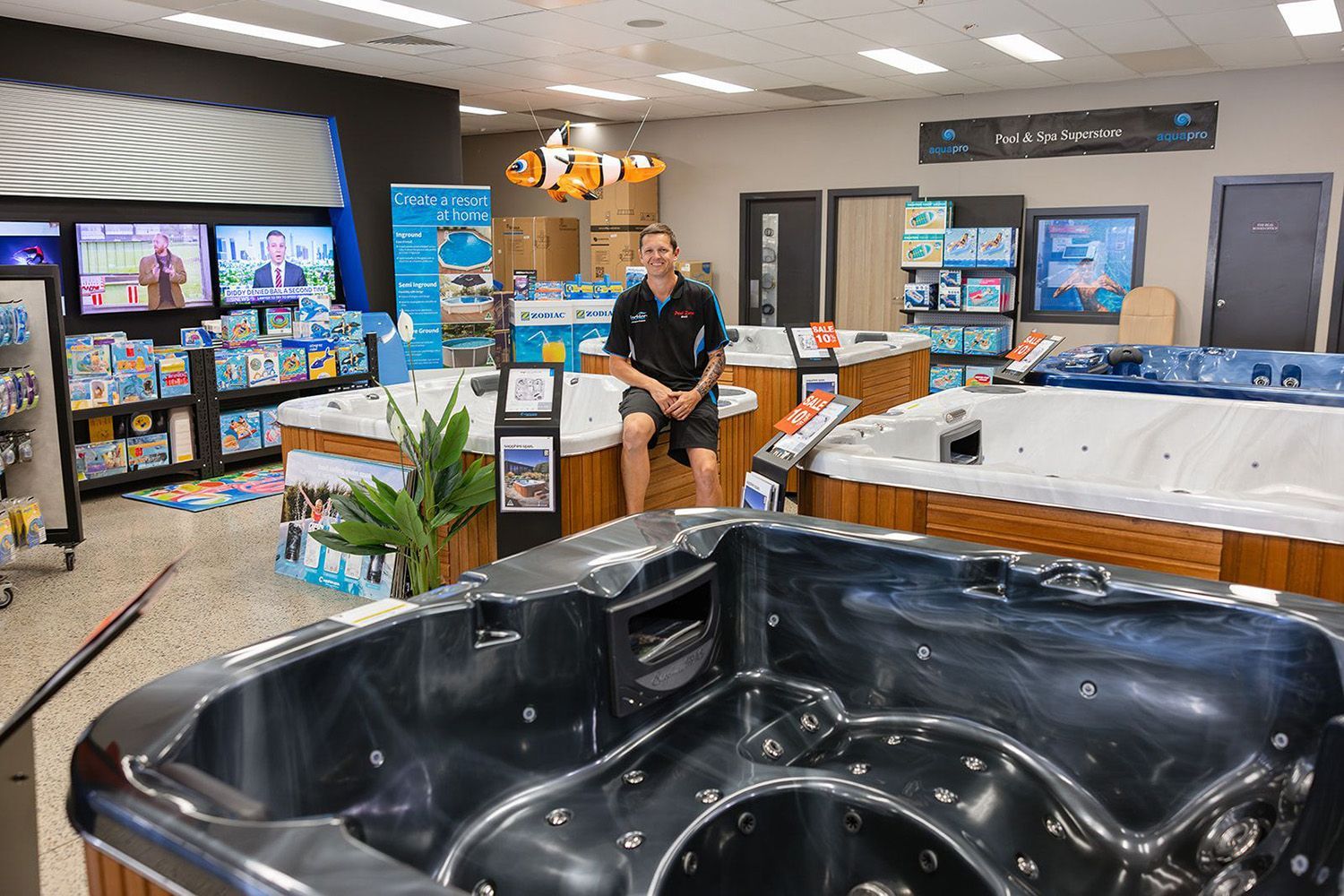
We at Pool Zone help local families choose the right pool systems, equipment and ongoing care solutions to keep their pools in top condition. Whether you’re comparing saltwater and chlorine options or simply need guidance choosing reliable products, our team is here to assist. Visit https://www.poolzoneport.com/ to explore equipment, expert advice and dependable pool care support for your home.