Solar Pool Heating Vs Heat Pump: Which Is Right For Your Port Macquarie Pool?
There's a particular kind of disappointment in walking out to a pool on a warm afternoon, rolling up your sleeves and dipping a toe in water that feels closer to a cold shower than a swim. For most backyard pool owners, this is the reality for six months of the year or more. A heating system changes that equation, but the moment you start looking into it, you're faced with a genuine choice: solar panels that draw on free energy from the sun, or an electric heat pump that works more like a reverse air conditioner for water. Both are proven, both are widely installed and both come with trade-offs worth understanding before you commit. The right answer usually comes down to how you use your pool, how much you're willing to spend upfront and how patient you are with the weather. It's a question we hear often at our pool shop in Port Macquarie once the water starts to cool each autumn.
How Solar Pool Heating Works
Solar pool heating uses a series of panels, usually mounted on the roof, that circulate pool water through a network of tubes exposed to sunlight. As water passes through, it absorbs heat from the sun before returning to the pool a few degrees warmer. The system relies on your existing pool pump to push water through the panels, so there's no separate heating unit doing the work.
- Panels are typically made from UV-stabilised polymer, built to withstand years of sun exposure
- A solar controller monitors pool and roof temperatures, automatically diverting water to the panels when conditions are favourable
- No combustion or refrigerant is involved, so there's very little ongoing wear on moving parts
Because solar heating depends entirely on sunlight, its performance naturally follows the seasons. On a clear, sunny day it can lift pool temperature noticeably. On overcast days or through the cooler months, gains are far more modest.
How an Electric Heat Pump Works
A heat pump takes a different approach. Rather than relying on direct sun, it extracts warmth from the surrounding air, much like an air conditioner running in reverse. That heat is then transferred into the pool water via a compressor and heat exchanger. This means it can generate warmth even on cooler or overcast days, as long as the ambient air temperature is within its operating range.
- A fan draws air across an evaporator coil, where refrigerant absorbs the ambient heat
- The refrigerant is compressed, raising its temperature further, before passing through a heat exchanger
- Heated water is then returned to the pool, with the process repeating continuously while the pump is running
Because it isn't dependent on direct sunlight, a heat pump delivers more consistent output day to day, though its efficiency does drop as air temperature falls.
Upfront Costs: Solar Panels vs Heat Pumps
Cost is usually the first question, and it's a fair one. Solar pool heating generally carries a higher upfront investment than a heat pump of comparable capacity, largely due to the number of panels required and the roof space and plumbing work involved in installation.
- Solar systems are priced by panel area, so larger pools need more panels and higher install costs
- Heat pumps are priced as a single unit, with installation typically simpler and quicker
- Roof pitch, orientation and available space can affect solar quoting, while heat pumps need a suitable spot with airflow
It's worth getting a proper measure-and-quote rather than comparing sticker prices alone, since pool size, orientation and existing pool equipment all factor into an accurate number. The team at our pool shop in Port Macquarie can talk you through both quotes side by side so the comparison is based on real figures rather than rough estimates.
Running Costs Compared
Once installed, the two systems diverge sharply in what they cost to operate. Solar pool heating has close to no running cost beyond the electricity used to circulate water through the existing pump, since the heat itself is free. A heat pump, by contrast, draws mains power to run its compressor and fan, so there's an ongoing electricity cost every time it's heating.
- Solar heating adds negligible cost to your power bill, since it piggybacks on pump circulation you're already paying for
- Heat pumps use electricity proportional to how many degrees of heating they need to produce and for how long
- Heat pump running costs are influenced by unit efficiency, pool size, insulation and how well the pool is covered when not in use
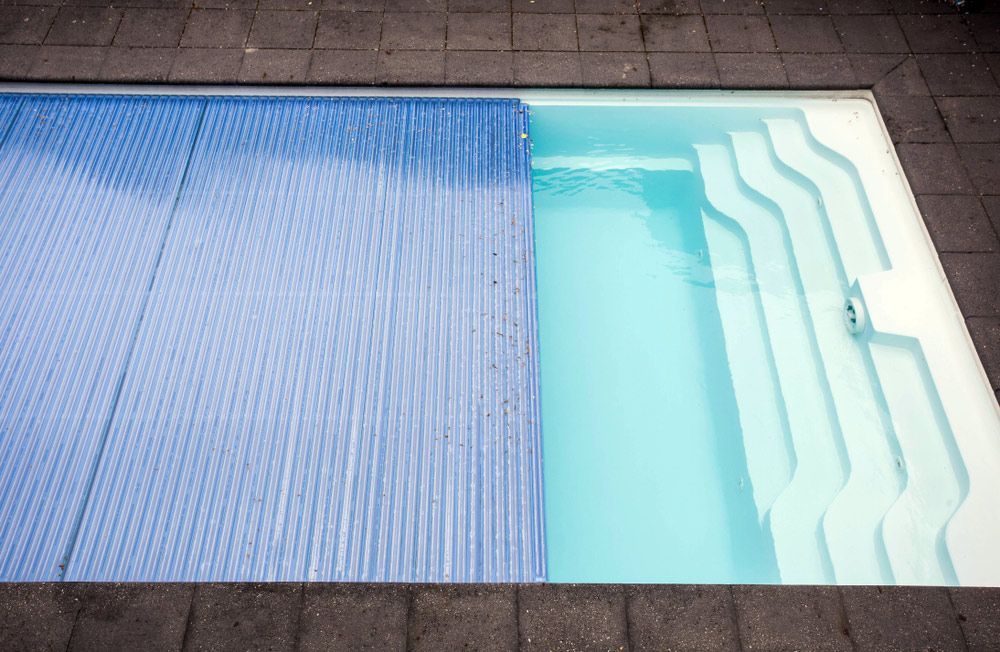
A well-fitted pool cover reduces heat loss overnight and can noticeably cut running costs for either system, since both are working against the same evaporation and radiant heat loss.
Choosing the Right Size Heat Pump for Your Pool
Getting the sizing right matters more with heat pumps than most owners expect. An undersized unit will struggle to reach or hold your target temperature, particularly once the weather turns, while an oversized one adds unnecessary upfront cost without much practical benefit.
- Pool volume is the starting point, since larger volumes need greater heating capacity to shift temperature at a reasonable rate
- Surface area and exposure to wind affect how quickly heat is lost and therefore how hard the unit needs to work
- Desired swim season plays a role too, since heating a pool through cooler months requires more capacity than simply extending a summer season by a few weeks
This is one area where a generic online sizing chart tends to fall short, since it can't account for wind exposure, shading or how the pool is used. Both options are available through our pool heating range, and our technicians can work out capacity requirements based on your actual pool rather than rough estimates.
Performance Through the Cooler Months
This is where the two systems show their clearest difference. Solar heating performs well when there's strong, consistent sunlight, but its output drops away noticeably once day length shortens and cloud cover increases. A heat pump maintains far more consistent performance through cooler conditions, since it draws on ambient air rather than direct solar radiation, though even heat pumps become less efficient once air temperatures fall low enough.
- Solar heating suits owners who mainly swim through the warmer months and want to extend the season at each end
- Heat pumps suit owners who want to keep swimming well into the cooler months without relying on sunny days
- Some owners run both systems together, using solar as the primary source and a heat pump as backup on overcast days
Neither system will deliver tropical water temperatures in the depths of winter without running near-continuously, and it's worth setting realistic expectations before choosing one.
Warranty and Longevity
Warranty terms differ between the two technologies, largely because they involve different components and failure points. Solar panels have no moving parts beyond the water flowing through them, so they tend to have long service lives and correspondingly long warranties. Heat pumps contain a compressor, fan and refrigerant circuit, similar to an air conditioner. These mechanical components typically carry shorter warranty periods than the cabinet and electrical parts.
- Solar panel warranties commonly run for a decade or more, reflecting the simplicity of the system
- Heat pump warranties usually cover the compressor separately from the cabinet and electrical components
- Both systems benefit from routine servicing, and running well-maintained pool equipment alongside them helps protect the investment over time
Reading the fine print on warranty coverage, rather than assuming it matches the sales conversation, is a step worth taking before signing off on either option.
Which System Suits Year-Round vs Seasonal Swimming
Ultimately, the decision comes back to how you actually use your pool. If your swimming is concentrated in the warmer months and you simply want a few extra weeks at each end of the season, solar heating offers a low-running-cost way to achieve that. If you're aiming to swim comfortably well beyond the traditional season, or even year-round, a heat pump's consistent output regardless of sunshine makes it the more dependable option, albeit with an ongoing power cost attached.
- Seasonal swimmers with reasonable roof space often find solar heating pays for itself through free operation
- Year-round or shoulder-season swimmers usually find the reliability of a heat pump outweighs its running cost
- Pool orientation, roof condition and existing pool equipment can all tip the decision one way or the other
There's no single right answer here, only the system that matches your swimming habits and budget most closely.
We At Pool Zone Can Help You Decide
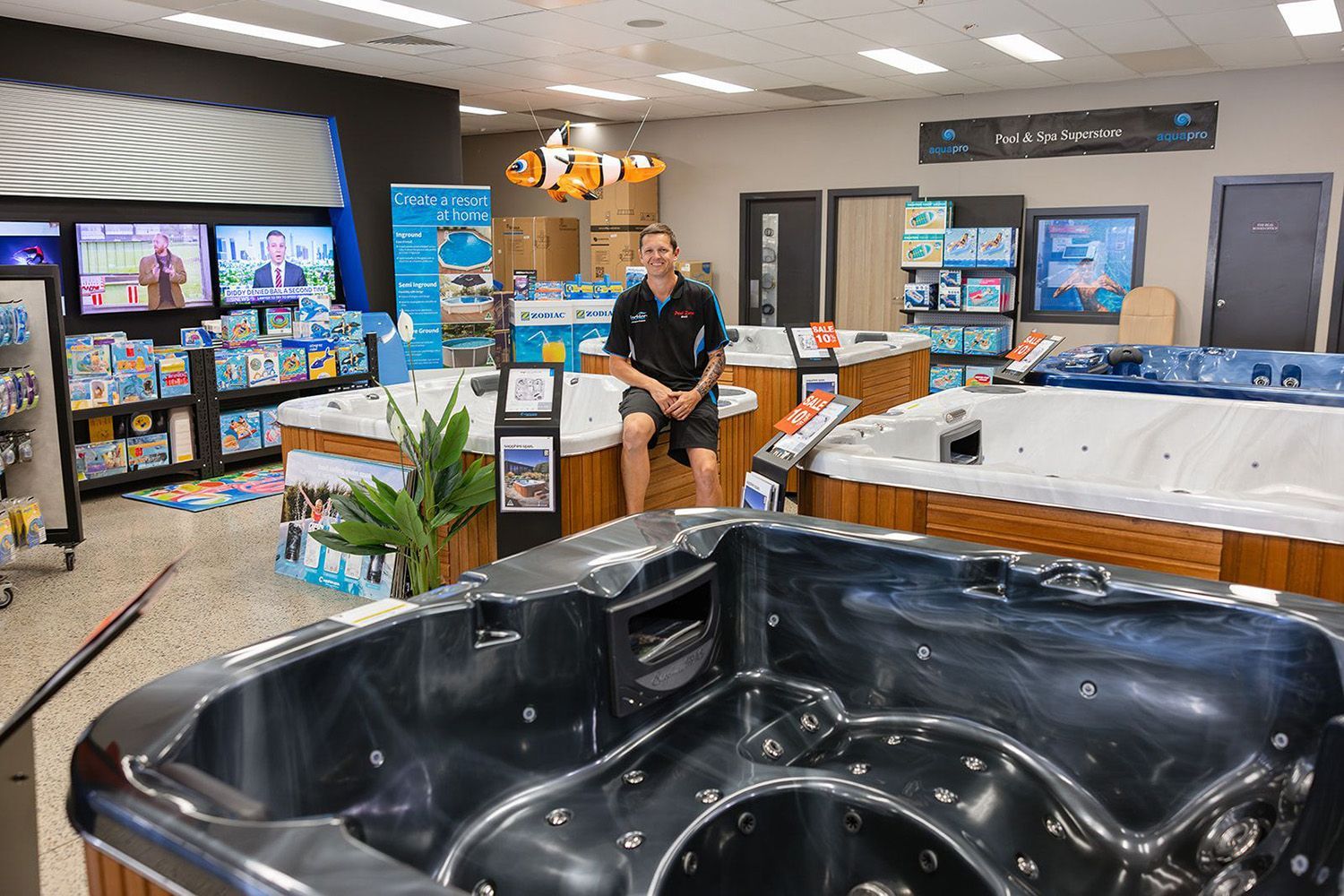
We at Pool Zone install and service both solar pool heating and electric heat pumps, and we're happy to talk through which one makes sense for your situation rather than pushing a one-size-fits-all answer. Coastal weather patterns along the Mid North Coast, including the cooler, damper stretches Port Macquarie, Laurieton and Wauchope pool owners see through autumn and winter, make this a genuinely practical decision rather than a purely aesthetic one. If you're weighing up your options, pop into our pool shop in Port Macquarie and we'll walk you through both systems side by side, or get in touch for a no-obligation quote tailored to your pool's size and how you use it.